









































Understanding the differences between FFP2 and FFP3 masks: Everything you need to know.
Introduction :
FFP2 and FFP3 masks are essential respiratory protection equipment in many situations, but what are their differences? Let's explore the characteristics of each of these masks and their appropriate uses.

In the field of respiratory protection, FFP2 and FFP3 masks play a crucial role. Although similar in their design and primary purpose, these two types of masks have significant differences in terms of filtration and use. In this article, we will explore the distinctive characteristics of FFP2 and FFP3 masks and their importance in various contexts.
FFP2 mask: Basic protection with effective filtration

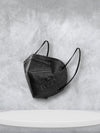
FFP2 masks, also known as filtering facepiece respirators, offer respiratory protection against solid and non-volatile liquid particles. Their main characteristic is their high filtration capacity, which retains at least 94% of airborne particles. FFP2 masks are commonly used in environments where there is a moderate to high risk of exposure to airborne pathogens, such as viruses and bacteria.
Main features of the FFP2 mask:
- Filters at least 94% of airborne particles.
- Face-fitting design with a secure fit.
- Recommended for use in environments with moderate to high risk.
FFP3 mask: Superior filtration for maximum protection

FFP3 masks offer superior respiratory protection compared to FFP2 masks. With a filtration capacity of at least 99% of airborne particles, FFP3 masks are designed to provide maximum protection, particularly in environments where exposure to highly infectious airborne pathogens is common. These masks are widely used in healthcare facilities, laboratories, and industrial environments where optimal respiratory protection is required.
Main features of the FFP3 mask:
- Filters at least 99% of airborne particles.
- Airtight design offering maximum protection.
- Recommended for high-risk environments, including situations involving highly infectious pathogens.
Main differences between FFP2 and FFP3 masks
-
Filtration efficiency: The FFP3 mask offers superior filtration compared to the FFP2 mask, making it more suitable for maximum protection against airborne pathogens.
-
Protection level: Due to its higher filtration capacity, the FFP3 mask offers a higher level of protection than the FFP2 mask, making it more suitable for high-risk environments.
-
Comfort and fit: FFP3 masks can sometimes be less comfortable to wear for long periods of time due to their airtight design, while FFP2 masks generally offer a compromise between comfort and protection.
In conclusion, the choice between an FFP2 and an FFP3 mask will depend on the level of protection required and the risk of exposure to airborne pathogens. In environments where maximum protection is necessary, the FFP3 mask is preferable, while the FFP2 mask can offer adequate protection in lower-risk situations. Ultimately, it is essential to choose the appropriate mask based on the specific context and safety requirements.