























__________________________________________________________________________________________________________________________________
Who invented Halloween? Discover the fascinating story
Halloween, this globally celebrated holiday on October 31st, is known for its spooky costumes, candy, and carved pumpkins. But who actually created Halloween? The origins of this holiday date back millennia and are the result of a blend of ancient and modern traditions. In this article, we'll explore the captivating history of Halloween, its origins, and its evolution into the holiday we know today.

Celtic Origins: Samhain
Halloween has its roots in the Celtic festival of Samhain, celebrated over 2,000 years ago in the regions that are now Ireland, the United Kingdom, and northern France. Samhain marked the end of summer and the beginning of winter, a time often associated with death. The Celts believed that on the night of October 31st, the veil between the world of the living and the world of the dead was thinnest, allowing spirits to return to Earth.
Rituals and Celebrations:
- Bonfires : The Celts lit large fires to ward off evil spirits and honor the dead.
- Costumes : They wore costumes, often made of animal skins and heads, to protect themselves from spirits.
Roman Influence
When the Romans invaded Celtic lands, they brought their own traditions with them, including the Feralia festival, which honored the dead, and the festival dedicated to Pomona, the goddess of fruit and trees. These celebrations gradually merged with Samhain, incorporating elements such as apples into Halloween traditions.
The Christian Church and All Saints' Day
In the 8th century, Pope Gregory III moved the Christian feast of All Saints' Day to November 1st. The eve of this feast, October 31st, then became All Hallows' Eve, which later evolved into Halloween. This decision aimed to supplant ancient pagan traditions with Christian celebrations, but instead, it merged with existing Celtic and Roman rituals.

The Modern Evolution of Halloween
Irish and Scottish immigration in the 19th century played a crucial role in popularizing Halloween in North America. Immigrants brought their traditions with them, such as carving turnips and potatoes into lanterns, which evolved into pumpkins, more readily available in the United States.

- Costumes and Disguises : Costumes have evolved to include popular characters from culture and scary figures.
- Trick-or-Treat : Children dress up and go from door to door asking for candy, a practice derived from ancient traditions of begging and submission.
Incorporate Halloween into your life with our unique products.
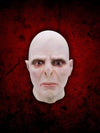
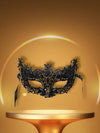
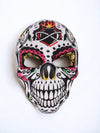
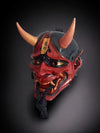
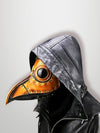
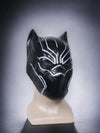
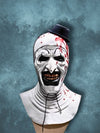
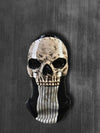
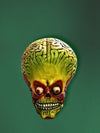
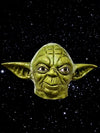
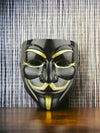
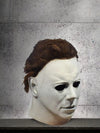
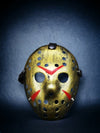
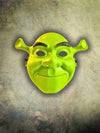
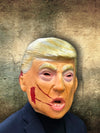
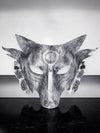
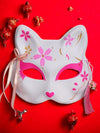
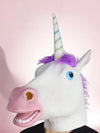
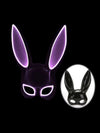
For a memorable Halloween celebration, discover our exclusive products that will bring a touch of authenticity and fright to your festivities, such as:


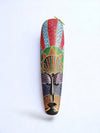
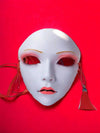
And many other masks in our various collections, which you will find below:
Conclusion
Halloween is a festival rich in history and tradition, born from the fusion of ancient Celtic, Roman, and Christian celebrations. From Samhain to All Saints' Day, and influenced by Irish and Scottish immigrants, Halloween has evolved into the festive and spooky holiday we know today. By incorporating our products into your celebrations, you can pay homage to this fascinating history while having fun.
